
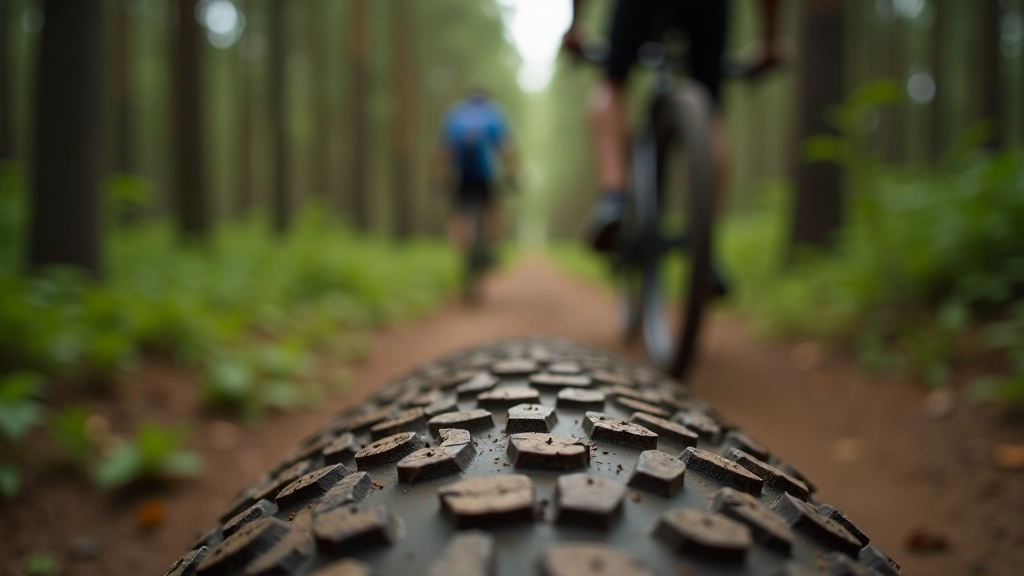
Choosing the Right Tires for Forest Trails
We break down the differences between tire widths and tread patterns. Most riders here use 40-45mm tires — here's why that matters for your comfort.
Read GuideExplore the Engure Lake western shore. Flat terrain, forest views, and perfect for retirees seeking peaceful rides.
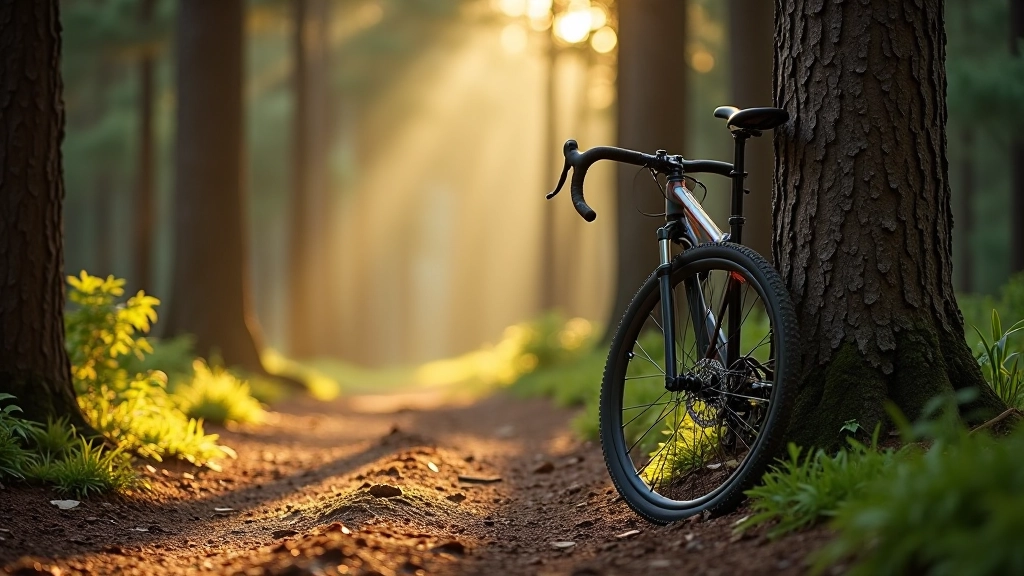
From gentle grades to pristine forest scenery, the Engure Lake loop offers everything you're looking for in a relaxed cycling experience.
The western shore route stays remarkably flat. You won't deal with steep climbs or technical descents — just smooth riding along the water's edge.
Pine and birch forests line the entire route. The air is clean, the pace is your own, and there's plenty of time to enjoy the scenery without rushing.
Well-maintained gravel surface from decades of forestry work. The roads are stable, wide enough for comfortable riding, and properly drained.
Several spots to stop, rest, and refill water bottles. Wildlife viewing opportunities too — watch for herons and deer, especially in early morning.
The full loop is 35km, but you can shorten it. Most riders do 15-25km on their first visit. Pick what feels comfortable.
You'll want 40-45mm gravel tires. We've written a guide on tire selection — wider tires handle the forest roads better and feel more stable.
Early morning rides are quieter and cooler. Most retirees prefer 8am starts. The route has good shade from the pine forest, but bring water either way.
What you're working with on the Engure Lake loop.
Everything you need to know before heading out on the Engure Lake loop.
Absolutely. The flat terrain and relaxed pace make it perfect for retirees. You're not racing — you're exploring at your own speed. Most riders take breaks whenever they want.
A gravel bike or hybrid works best. Road bikes struggle with the loose gravel. Make sure your bike has wider tires (40mm+) and decent brakes. Don't overthink it — you don't need anything fancy.
The 35km loop takes most riders 3-4 hours at a relaxed pace with stops. You're not trying to set records here. Bring lunch, take your time, enjoy the forest.
There are a few rest areas and water access points. It's not heavily developed, which is part of the appeal. Pack what you need — snacks, water, a basic repair kit.
Late spring through early fall is ideal. Summer's hot, winter can be muddy. Most riders prefer June through September. Early mornings avoid afternoon heat.
It's generally safe, but it's smart to tell someone where you're going. Bring a phone, wear a helmet, and stick to daylight hours. The route's quiet but well-used by locals.
Everything you need to know to ride the Engure Lake loop with confidence.
We break down the differences between tire widths and tread patterns. Most riders here use 40-45mm tires — here's why that matters for your comfort.
Read Guide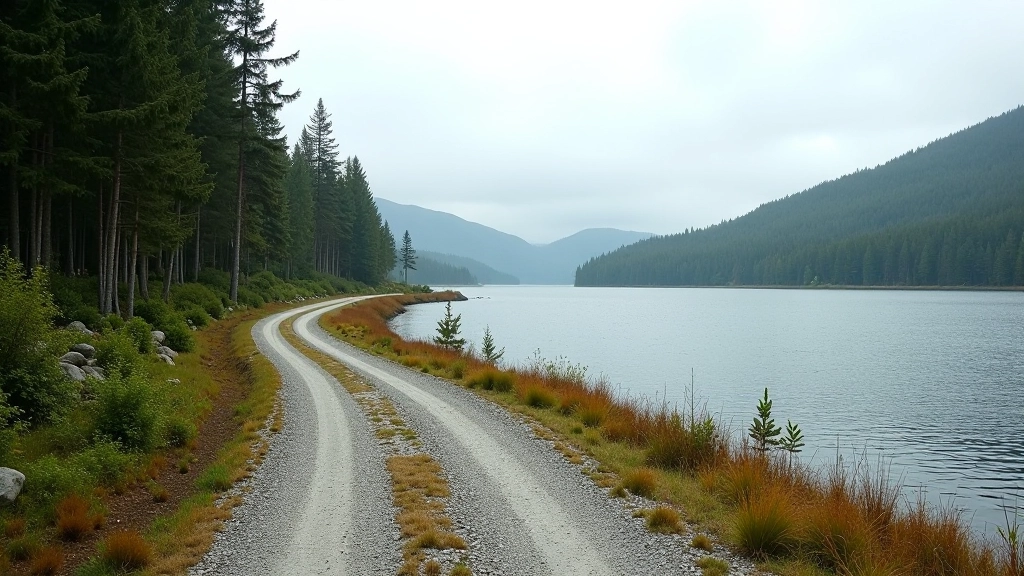
A detailed look at the western shore route. Distance, surface conditions, water access points, and what wildlife you might see. It's flatter than you'd think.
Read Guide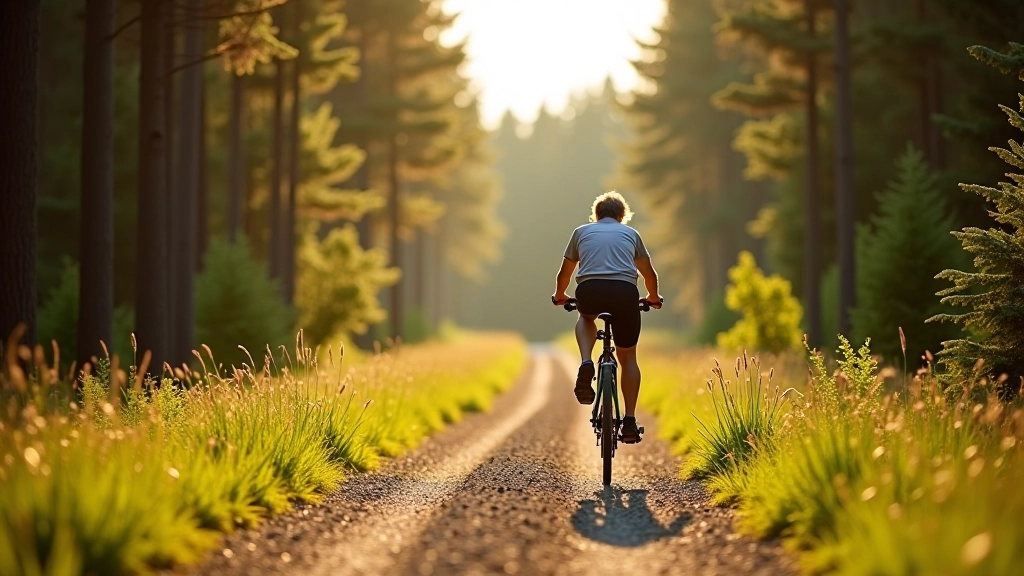
Training advice for riders getting back into cycling or building endurance for the full loop. It's not about intensity — it's about consistency and enjoying the process.
Read Guide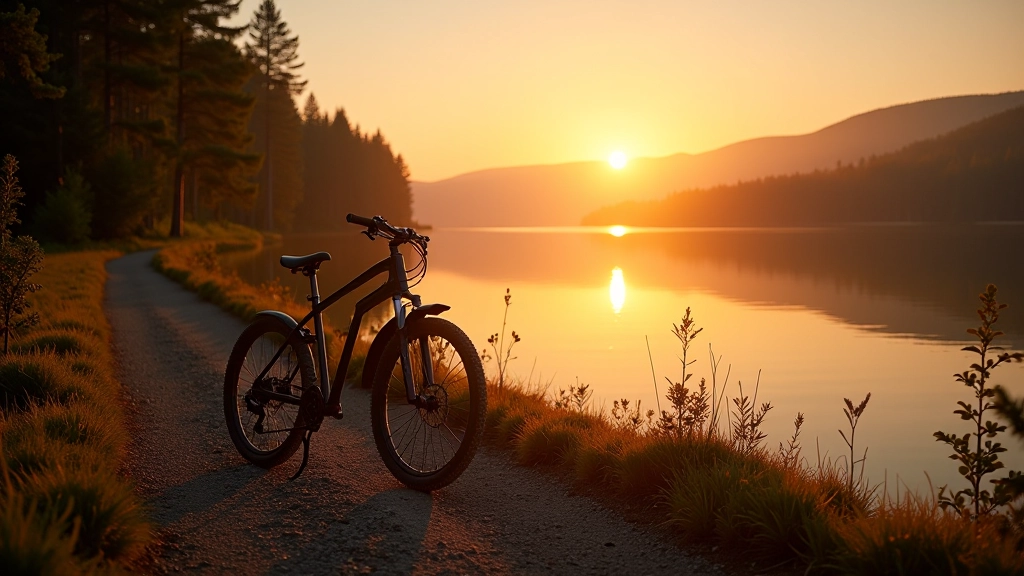
The Engure Lake loop is waiting. Peaceful forest riding, flat terrain, and views you won't forget. Let's help you plan your first ride.
Contact Us Today