Building Fitness for Longer Rides
Develop the endurance and strength you need for extended gravel cycling adventures. We'll walk you through a practical training approach that works for riders of all levels.

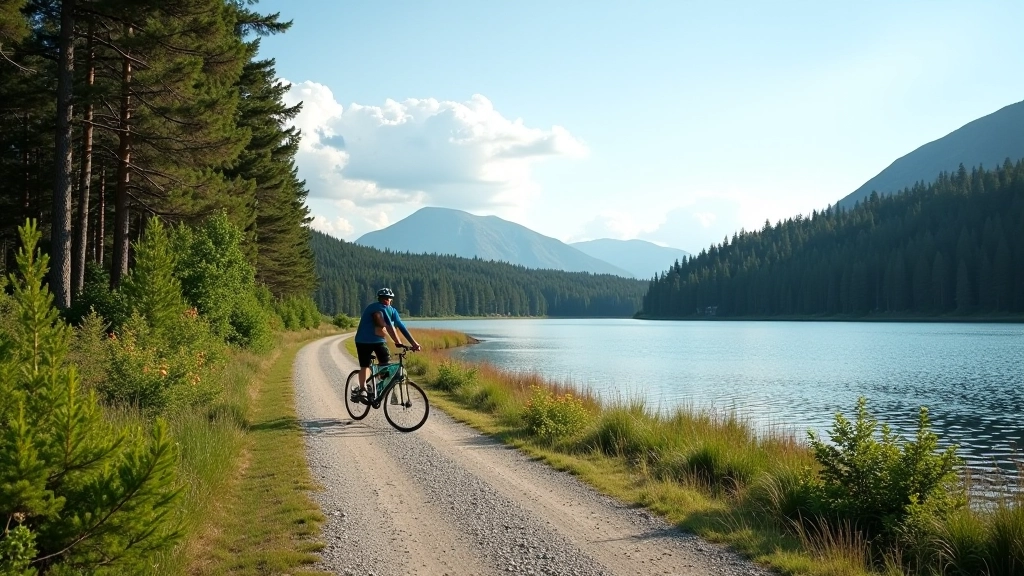
Building endurance isn't about pushing yourself to the breaking point. It's about consistent, smart training that gradually expands what your body can handle. Whether you're aiming for those longer forest loops around Engure Lake or simply want to enjoy more time in the saddle without fatigue, the approach is the same: structured effort over time.
The good news? You don't need fancy equipment or a gym membership. Just a bike, a plan, and a willingness to stick with it for 8-12 weeks. Most riders notice real improvements in their aerobic capacity and mental toughness within that timeframe.
Start with Your Current Baseline
Before you begin any training program, you need to know where you're starting from. Take a straightforward 30-minute ride at a comfortable pace—something you could sustain while having a conversation. Don't go all-out. Just ride naturally and notice how you feel. How's your breathing? Are your legs burning? Can you maintain steady power?
Write down the distance you cover. That's your baseline. You're not competing with anyone else. This number just tells you where the journey begins. We've seen riders cover anywhere from 8 kilometers to 18 kilometers in that 30-minute window depending on fitness level, terrain, and bike setup.
Pro tip: Track this same route monthly. You'll see tangible progress when you can cover more distance in the same timeframe or feel fresher at the finish.


Build Weekly Riding Consistency
Endurance comes from repetition. We're talking about three rides per week—not seven. Quality beats quantity every time. Here's what a solid week looks like:
- Monday: Recovery ride, 20-30 minutes, easy pace. Your body adapts during rest, so don't skip this.
- Wednesday: Tempo work, 45-60 minutes. Start easy for 10 minutes, then ride at a pace that feels "moderately hard" for 20-30 minutes, finish easy.
- Saturday: Long ride. This is your endurance builder. Start at 60-75 minutes and gradually increase by 10 minutes every 2-3 weeks.
The Wednesday tempo ride teaches your aerobic system to handle sustained effort. The Saturday long ride builds mental toughness and teaches your body to burn fat efficiently. Don't overthink it—consistency matters more than perfection.
Fuel Your Body Properly
You can't build endurance on an empty tank. For rides under 90 minutes, you'll need some carbohydrates and hydration. A banana or energy bar 30 minutes before you ride does the job. During the ride, sip water every 15-20 minutes—not huge amounts, just enough to stay hydrated.
For longer efforts (90+ minutes), bring real fuel. A banana, energy gel, or sports drink with carbs keeps your power steady and prevents that awful bonked feeling when your blood sugar crashes. It's not fancy—you're just topping up your fuel tank mid-ride.
Recovery nutrition matters too. Within 30 minutes of finishing, eat something with protein and carbs—a sandwich, yogurt with fruit, whatever you enjoy. Your muscles need this window to repair and adapt.


Recovery Is Where the Magic Happens
Here's what separates riders who get stronger from those who plateau: recovery. Your body doesn't adapt during the ride—it adapts when you're resting. That's why we're recommending three rides per week, not six.
Sleep is non-negotiable. Aim for 7-8 hours. Your legs repair muscle fibers while you're asleep. If you're consistently tired, you're not recovering enough. Scale back the intensity or take an extra rest day. It's not laziness—it's smart training.
Stretching and mobility work don't take long. Ten minutes of easy stretching on non-ride days keeps your hips and hamstrings from getting tight. You don't need a yoga class—just basic stretches hold each one for 20-30 seconds.
Progressive Overload Over 12 Weeks
Don't jump into 2-hour rides if you're currently doing 60 minutes. Progress gradually. Here's a realistic progression:
Weeks 1-3
Establish the routine. Long ride: 60-75 minutes. Tempo work: 20-minute sustained effort. Focus on showing up consistently.
Weeks 4-6
Increase long ride to 80-90 minutes. Tempo work extends to 25-minute sustained effort. Your aerobic system starts adapting.
Weeks 7-9
Long ride hits 100-110 minutes. Tempo work reaches 30 minutes. You're noticing rides feel less exhausting.
Weeks 10-12
Long ride reaches 120+ minutes. You're ready for those extended forest loops. Recovery remains a priority.
Your Endurance Journey Starts Now
Building endurance doesn't require complex training apps or expensive coaching. It requires showing up, being consistent, and respecting your body's need to recover. You're not training for a race—you're training for the joy of longer rides through the forest without bonking.
Start with your baseline ride this weekend. Pick a route you enjoy—maybe part of the Engure Lake loop if you're in the area. Ride for 30 minutes at a comfortable pace, note the distance, and commit to three rides per week for the next 12 weeks. By mid-August, you'll be surprised at what your body can handle.
The forest is waiting. Let's build the fitness to truly explore it.
Important Note
This article provides general fitness training information for educational purposes. It's not personalized medical or coaching advice. If you have existing health conditions, joint issues, or haven't exercised regularly, consult with a doctor or qualified cycling coach before starting a new training program. Every rider's body is different—adjust intensity and volume based on how you feel.