
Choosing the Right Tires for Forest Trails
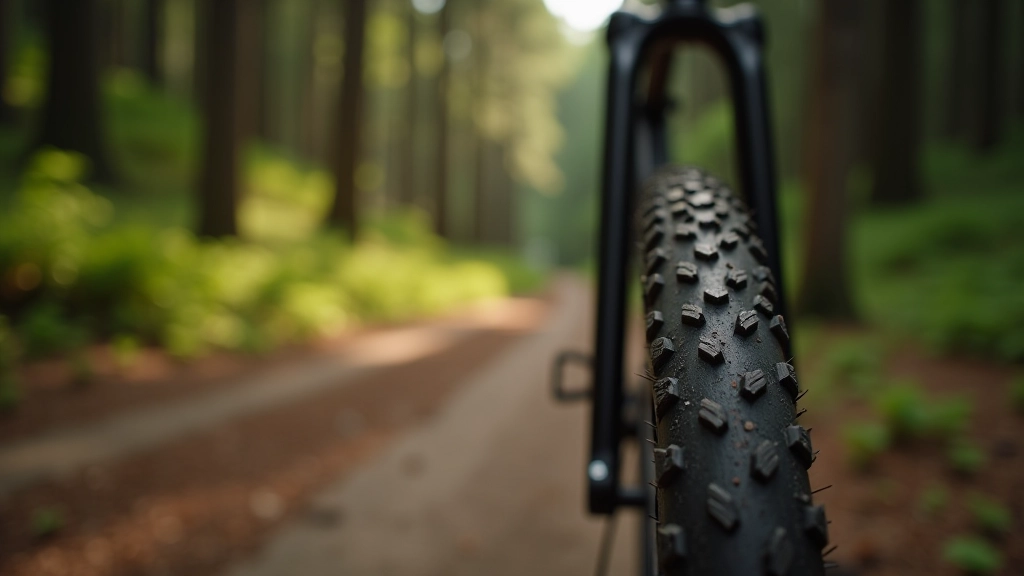
We break down the differences between tire widths and tread patterns. Most riders here use 40-45mm tires — here's why that matters for your comfort and control on forest gravel.
Why Tires Matter More Than You Think
Your tires are the only thing touching the ground. They're not just rubber — they're your connection to the trail, your grip in loose gravel, your shock absorber on rocky sections. Get them wrong and you'll spend the whole ride fighting your bike instead of enjoying the forest.
The good news? You don't need to overthink this. Once you understand what width means and what tread does, choosing becomes pretty straightforward. We'll walk you through it.
Quick Answer
For Engure Lake loop and similar forest trails? Start with 40-45mm tires. They're wide enough for comfort and traction but nimble enough for faster sections. If you want more cushioning, go 45-50mm. If you value speed, 38-42mm works too.
Tire Width: The Main Decision
Tire width is measured in millimeters — that's the number you see on the sidewall. A 45mm tire is 45 millimeters wide. Simple as that.
Wider tires give you more surface area on the ground. That means more grip, more comfort, and more ability to roll over obstacles without feeling every bump. They're also more forgiving when you drift onto the soft shoulders of the trail. The trade-off? They're slightly heavier and create a bit more rolling resistance, so you'll work a touch harder on paved sections.
Narrower tires are faster and lighter. They work better on smoother surfaces and packed gravel. But on loose or rocky sections, you'll notice the difference — they can feel twitchy and require more precision.
38-42mm
Speed-focused. Good on packed gravel and firm surfaces.
43-48mm
The sweet spot. Works everywhere. Most riders pick this.
50mm+
Maximum comfort. Better for really rough terrain.
Tread Pattern: For Grip and Control
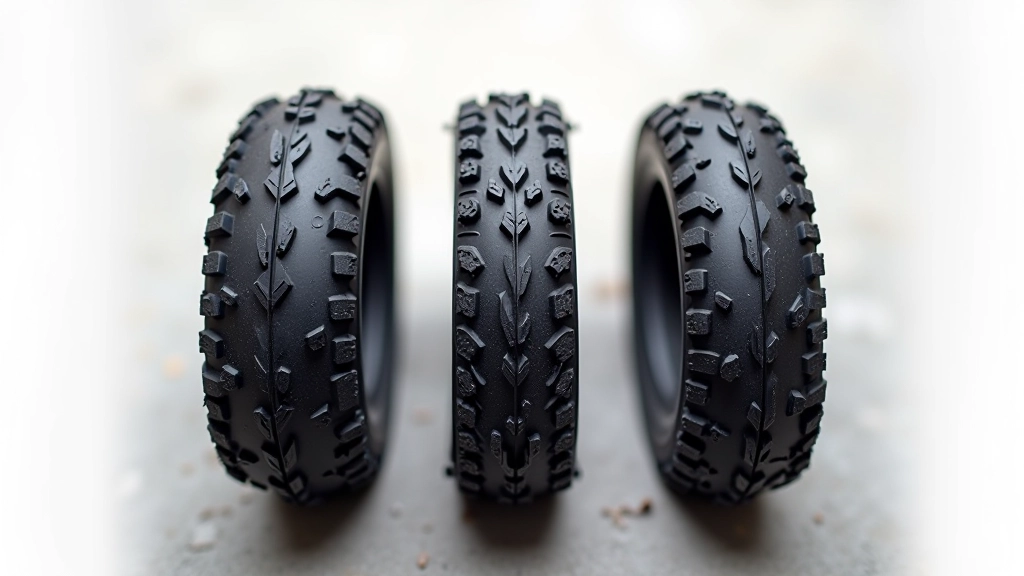
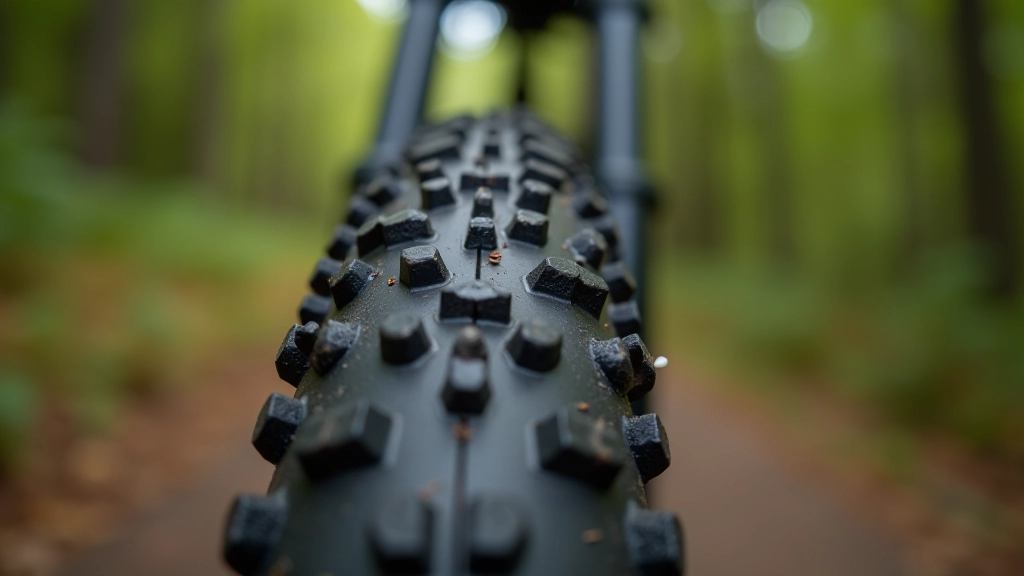
Tread is the pattern of knobs and grooves on the tire surface. It's what actually grabs the ground and keeps you from sliding.
You'll see two main tread styles on gravel tires. Aggressive tread has bigger, more pronounced knobs — think of it like an off-road tire's cousin. It excels on loose gravel, sand, and muddy sections. You'll feel extra grip, especially in corners.
Moderate or slick tread has smaller knobs or smooth patches. It's faster on hard-packed surfaces and roads. Less rolling resistance. It's what you want if you're doing mixed terrain — some gravel, some pavement, some packed forest roads.
For the Engure Lake loop? Most people use moderate tread. The surface is mostly packed gravel with some firmer sections. You don't need the aggression of mountain bike tires, but you want enough bite for the looser stretches.
Tip: Don't judge tread by looking. Feel it. Run your hand across a few tires at the shop. Aggressive feels rough and bumpy. Moderate feels relatively smooth.
Pressure: The Adjustment You Control
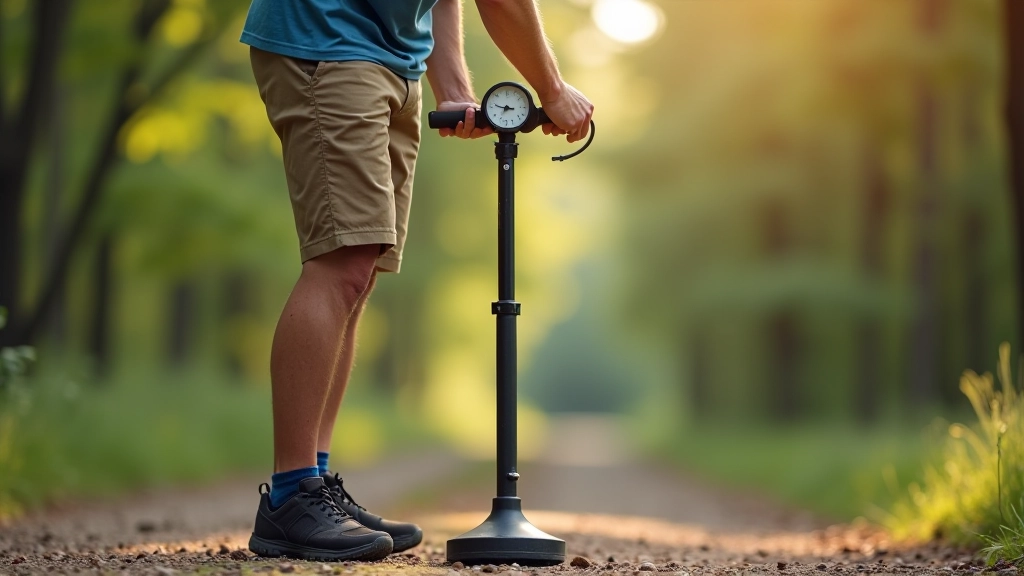
Here's something most people don't realize: tire pressure is more important than tire brand. You can ride almost any decent gravel tire and adjust pressure to change how it feels.
Lower pressure — around 35-40 psi for most gravel tires — gives you more comfort and grip. The tire deforms around obstacles, absorbs bumps, and grips loose surfaces better. It's slower but more forgiving.
Higher pressure — 45-55 psi — is faster and more responsive. Less rolling resistance. But you'll feel every rock, and on loose gravel you might slide a bit more.
The trick is experimenting. Start in the middle of your tire's recommended range. After a few rides, you'll know if you want more cushioning or more speed. One psi change makes a noticeable difference.
Check your tire sidewall for the recommended pressure range (usually 30-60 psi for gravel).
Start at the midpoint of that range for your first rides.
Adjust based on feel. More comfort needed? Drop 2-3 psi. Want more speed? Add 2-3 psi.
Check pressure before each ride — tires lose 1-2 psi per week naturally.
Making Your Choice: A Practical Framework
You want comfort and control
45-48mm width, moderate to aggressive tread, 35-40 psi pressure. This is the setup most people on the Engure Lake loop are running. You'll roll smoothly, grip well, and feel confident on any section of trail.
You value speed on mixed terrain
40-44mm width, moderate tread, 42-50 psi pressure. Lighter rolling, faster on packed surfaces, still capable on gravel. Good if you're doing loops that include some pavement or hard-packed roads.
You encounter loose or sandy sections
46-50mm width, aggressive tread, 32-38 psi pressure. Maximum grip and cushioning. You'll feel secure in really rough or unpredictable conditions.
Don't get paralyzed by choices. Pick one of these combinations, buy a pair, and ride. After a few outings you'll know what works for you. That's the real education — getting miles on the trail, not reading specs.
The Bottom Line
Tires are one of the biggest variables you can control. They affect comfort, control, speed, and confidence more than almost anything else on your bike. Width matters. Tread matters. Pressure matters.
For forest trails like the ones around Engure Lake, you're looking at 40-48mm tires with moderate tread, run at 35-45 psi depending on your preference. That range will cover 95% of conditions you'll encounter.
Start with what makes sense, adjust as you go, and don't overthink it. You'll find your setup. And when you do, you'll notice how much smoother and more enjoyable the ride becomes.

Related Articles
Disclaimer
This article is informational only and reflects common practices among gravel cyclists in Latvia's forest regions. Tire selection depends on individual riding style, bike specifications, terrain conditions, and personal preference. Always check your bike's tire clearance and consult your bike manufacturer's specifications before changing tire size. Conditions vary by season and location — adjust your setup based on actual trail conditions where you ride. When in doubt, consult with experienced local riders or a qualified bike mechanic.