
Essential Gear for Forest Riding
Forest riding demands more than just a bike and determination. You'll need the right equipment to stay comfortable, safe, and confident on those rough logging roads and forest trails around Engure Lake. We've put together a practical guide to the gear that actually matters when you're out there.
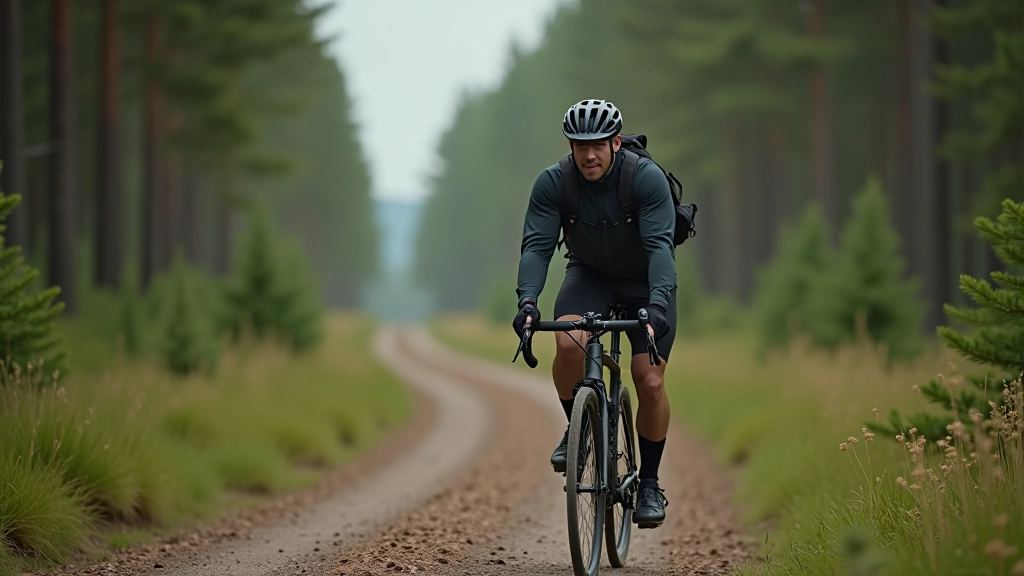
When we talk about essential gear, we're not talking about expensive gear. You don't need the latest carbon fiber frame or electronic shifting. What you need is reliable equipment that'll keep you moving safely on unpredictable surfaces. The western shore routes around Engure Lake throw everything at you — loose gravel, tree roots, occasional mud, and long stretches of exposed trail. Your gear needs to handle that.
Most riders who struggle on forest trails aren't struggling because of their fitness. They're struggling because they're not set up properly. A poor tire choice means constant punctures. Wrong brakes mean you can't control your speed on descents. The right gear makes the difference between a pleasant ride and a frustrating afternoon. Let's break down what actually matters.
Tires: Where You Meet the Road
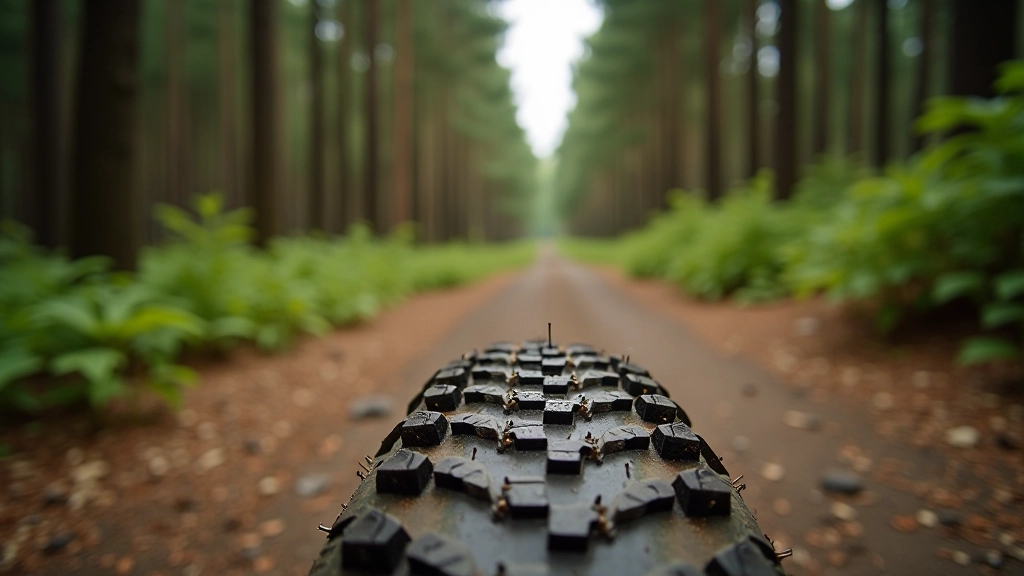
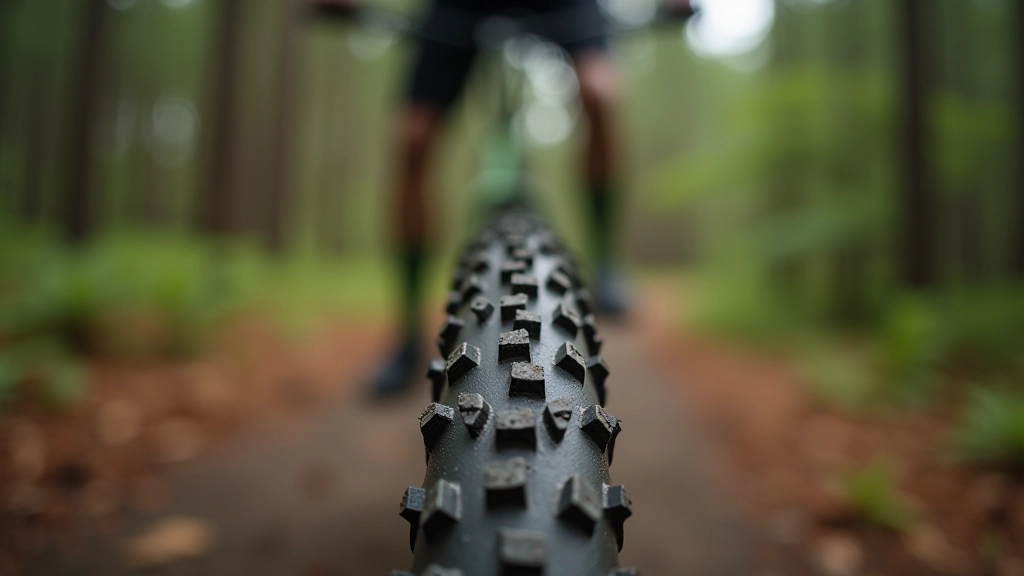
Your tires are honestly the most important piece of equipment you'll choose. On forest trails, they're what prevents you from sliding out on loose gravel and what keeps you rolling on rutted sections. For the Engure Lake loop specifically, you're looking at a mix of hard-packed gravel and softer forest floor. That's where a 45mm to 50mm tire width makes sense.
The tread pattern matters too. Aggressive knobs sound good in theory, but on packed forest trails they actually slow you down. You want a moderate tread — something like a hybrid between road and mountain bike patterns. Look for tires with reinforced sidewalls. You'll hit sharp stones and roots regularly, and sidewall punctures are the worst kind because you can't really repair them on the trail. We've seen riders with quality sidewalls go entire seasons without flats. Riders with cheaper tires? They're patching tubes every other ride.
Tire pressure is just as important as the tire itself. Too high and you'll bounce over obstacles. Too low and you're fighting rolling resistance. For most riders on forest gravel, 35 to 45 PSI works well. You'll need to experiment based on your weight and the conditions you're riding that day. Carry a portable pump. It's not optional.
Brakes: Control on Descents
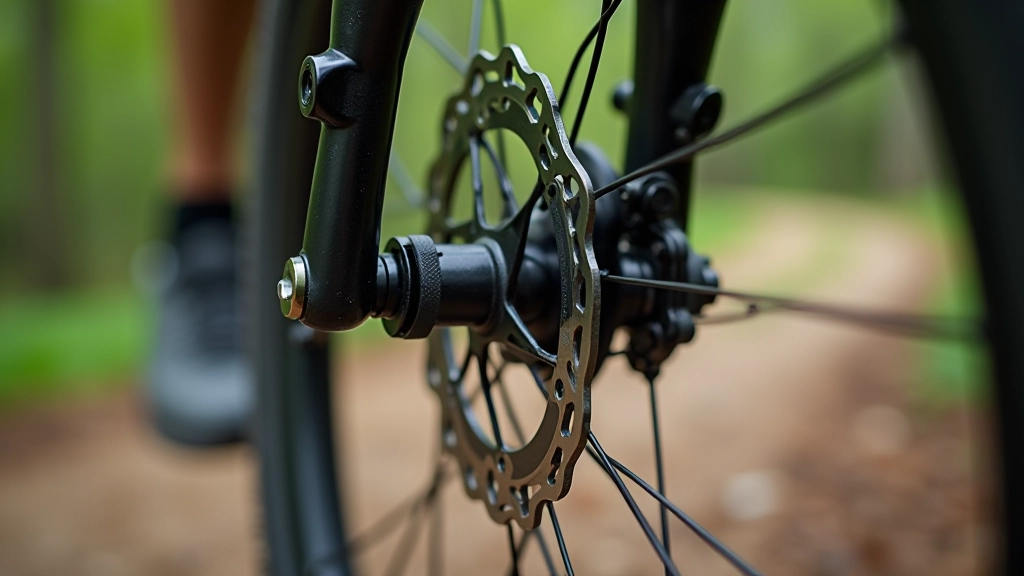
Don't cheap out on brakes. You're going to encounter descents where you need to modulate your speed precisely, and rim brakes just don't cut it on forest trails. Hydraulic disc brakes are the standard now, and for good reason. They work in wet conditions, they handle mud and dust better than anything else, and they give you the kind of fine control you need when you're flying down a loose gravel descent.
The size matters — 160mm rotors in front, 140mm in back is a solid starting point. Some riders go bigger, but honestly that's overkill for the terrain around Engure Lake. What matters more is regular maintenance. Your brakes will get dirty. Dust, sand, and organic material will coat your rotors. Clean them every few weeks if you're riding frequently. A contaminated rotor will squeal and lose braking power. It's a simple five-minute job that makes a huge difference.
Keep spare brake pads with you. They wear faster on gritty trails than you'd expect. Riding with worn pads is dangerous and damages your rotors. Most riders carry one extra set in their pack. It's light, cheap, and it's saved us more times than we can count.
Clothing: Practical Protection
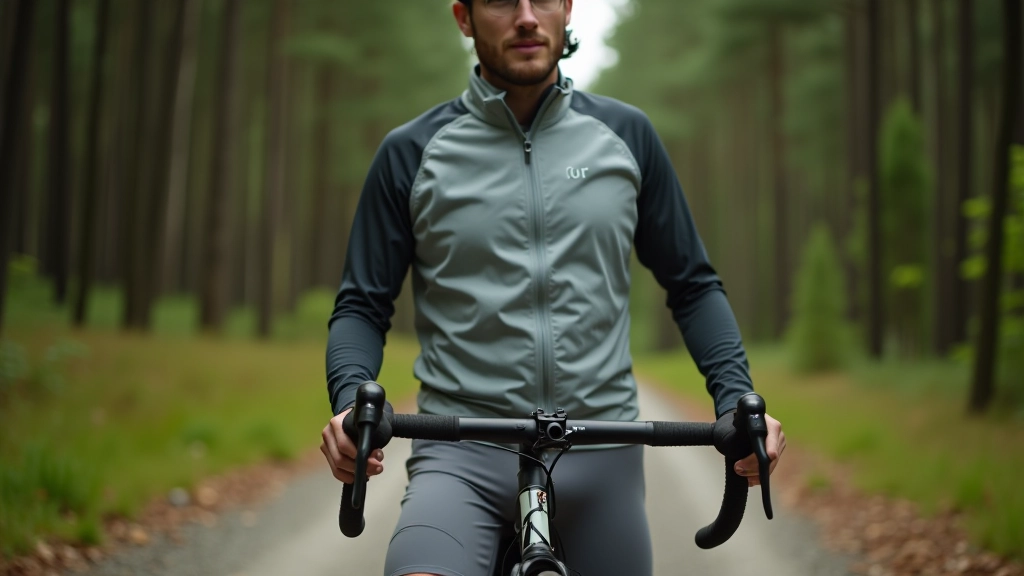
You don't need expensive cycling-specific clothing to ride forest trails, but you do need practical clothing. Cotton is your enemy — it holds moisture and makes you cold fast. Merino wool or synthetic fabrics wick moisture away and keep you warm even when wet. That's non-negotiable for forest riding.
A lightweight rain jacket is essential. Not because you need to look professional, but because weather changes fast in forest areas. You can go from sunshine to drizzle in 20 minutes. A packable rain jacket weighs almost nothing and fits in a small pocket.
Gloves matter more than people think. On rough terrain, you're going to lose grip sometimes. Gloves give you protection when you put your hand down. They also keep your hands warm and reduce vibration fatigue on long rides. Padded cycling gloves are worth the investment.
Shorts should have padding. Your sit bones will thank you on those long forest stretches. The padding reduces pressure and prevents saddle sores. After about 2-3 hours of riding without proper padding, you'll understand why this matters. One good pair of padded shorts is more valuable than five cheap pairs without padding.
What to Carry: The Practical Kit
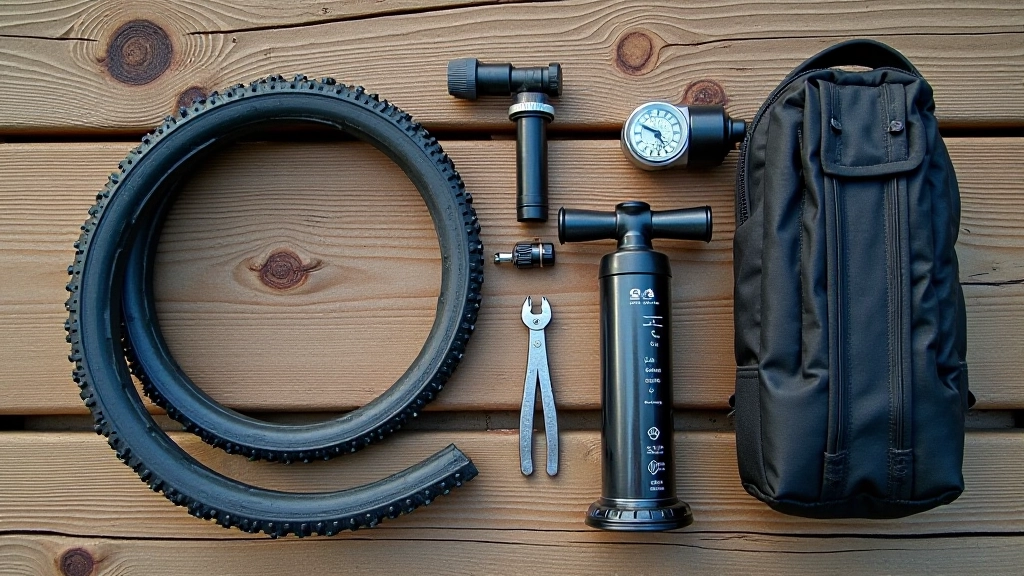
You're not going to carry everything in the world, but there's a minimum kit that makes sense for forest riding. A portable pump is absolutely essential — we're talking a small frame pump that weighs almost nothing. Two spare tubes, because if you get two flats you're walking. A multi-tool with hex wrenches and a screwdriver handles most roadside adjustments. A chain tool is critical because dropped chains happen on rough terrain.
Tire levers are obvious, but get decent ones. Cheap plastic levers break, and then you're stuck. A small patch kit and some extra chain lubricant round out the essentials. This entire kit fits in a small frame bag or saddlebag and weighs less than a pound. It's insurance against being stranded. The Engure Lake loop is relatively populated, but there are stretches where you won't see another rider for 20 minutes. You want to be self-sufficient.
Water is underrated. You don't need to carry a liter, but 500ml minimum. The ride around Engure Lake has stretches in direct sun with no shade. Dehydration creeps up on you faster than you'd expect. A small hydration pack or frame-mounted bottle works. The actual capacity matters less than remembering to drink regularly.
Putting It Together
Forest riding isn't complicated. You need a bike that fits, tires that grip, brakes you can trust, and clothing that protects you. Everything else is secondary. Start with these essentials, ride regularly, and you'll quickly learn what works for your body and your riding style.
The good news? None of this is particularly expensive. You're not dropping thousands of dollars. A solid set of tires runs 100-150 euros. Quality brakes are an investment but they last years. Clothing doesn't have to be brand-name cycling gear — good outdoor clothing from any brand works. A repair kit costs 30 euros and lasts indefinitely.
What matters is that you're prepared. Prepare properly and the forest trails around Engure Lake become accessible and enjoyable. Show up unprepared and you're fighting your equipment the whole time. We've seen both, and the difference is night and day. Get your gear sorted, and you'll discover why so many riders love forest riding. It's not the difficulty — it's the freedom.

Related Articles
Disclaimer
This article is informational and educational in nature. Equipment recommendations are based on common experience with forest trail riding in this region. Individual needs vary based on body type, riding style, and fitness level. Always test equipment on shorter rides before committing to longer routes. Consult with experienced riders locally and bike shop professionals for personalized recommendations. Cycling involves inherent risks — wear appropriate safety gear including a helmet, and ride within your abilities.